




On Veterans Day, we pause to recognize our brave heroes who have served our country. We attend ceremonies, display flags, and offer words of gratitude as part of moments that matter. For an older veteran, another meaningful expression of appreciation might arrive on an ordinary day: help getting ready, a
freshly prepared meal, a ride to an appointment, or a visit from someone who listens.
As Veterans Day approaches on November 11, families, neighbors, and healthcare professionals have an opportunity to ask a question that reaches beyond the observance: What would help the veteran in my life feel supported, connected, and in control throughout the year?
At Amada Senior Care, that question connects directly to our work. Enriching lives means paying attention to the everyday experiences that shape a person’s independence, dignity, and well-being and helping turn concern into consistent support.
Begin With the Veteran, Not the Occasion
Military service is an important part of many veterans’ identities, but every veteran has a different relationship with that experience. Some enjoy sharing stories and attending public celebrations. Others prefer a quiet conversation, time with family, or no special attention at all.
Before making Veterans Day plans, ask what would feel meaningful. Would your loved one enjoy a local ceremony? Would they like help connecting with a former service member? Would lunch at home be more comfortable than a crowded event?
An invitation to share memories should always leave room to decline. A veteran should not have to revisit difficult experiences to receive recognition, nor should anyone assume that military service defines all of their interests or care needs.
The same respect belongs in conversations about aging. Instead of opening with everything you think needs to change, try asking, “What has become more tiring lately?” or “Is there something you would like to keep doing that we could make easier?” The answers can reveal opportunities to help while keeping the veteran involved in decisions.
Before Veterans Day on November 11, Make Participation Possible
Inviting someone to a Veterans Day event is a thoughtful start. Helping them participate comfortably gives that invitation practical value. Ask about transportation, walking distances, seating, accessible restrooms, and whether a companion would be welcome. Check whether the timing fits the person’s usual meals, rest, and daily routines. Offer an easy way to leave early if they become tired.
For someone who prefers to stay home, recognition can be personal: a favorite meal, a call with a friend, or time looking through photographs together, with permission.
These preparations can also open a conversation about life beyond the holiday. If transportation makes attending a ceremony difficult, does it also interfere with grocery shopping or regular appointments? If a spouse is too exhausted to attend, could the family arrange ongoing help?
An obstacle to one celebration may point to a need worth addressing all year.
Notice the Everyday Effort Behind a Veteran Saying, “I’m Doing Fine”
A veteran may be managing well in some areas while finding others increasingly difficult. Being independent does not mean doing everything without assistance.
During visits, pay attention without turning the encounter into an inspection. Is preparing dinner becoming exhausting? Has a favorite community activity fallen off the calendar? Is laundry piling up because carrying it has become difficult? Is a spouse quietly taking on more personal care than they can comfortably manage?
These observations are reasons for a respectful conversation, not conclusions about someone’s abilities. New or concerning changes in mobility, memory, mood, or daily functioning should also be discussed with an appropriate healthcare professional.
Practical help can start small. A regular grocery trip, assistance with bathing and dressing, meal preparation, or companionship may help make daily life more manageable. The goal is to support what matters to the veteran, with their preferences guiding the plan.
What Follow-Through Can Look Like for Assisting a Senior Veteran
Consider this fictional example: An older veteran named Robert has always attended his town’s Veterans Day ceremony. This year, he tells his daughter he would rather skip it. She initially assumes he has lost interest.
When she asks what would make the day easier, Robert explains that the walk from the parking area feels too long. His wife has also been helping him get dressed, and both are tired before they leave home.
Together, they arrange transportation, confirm accessible seating, and plan a shorter visit. More importantly, they talk about the mornings that have become difficult. With Robert’s agreement, the family explores help at home and contacts his VA care team to ask about available services.
The lasting act of appreciation is not simply getting Robert to the ceremony. It is listening to what was getting in the way and following through afterward.
Help Veterans Explore Support Before a Healthcare Crisis
Families do not have to wait for a hospitalization or family caregiver exhaustion to ask about care options.
The VA’s Homemaker and Home Health Aide Care program can provide assistance with daily activities for qualifying veterans. VA guidance states that eligibility depends on enrollment, community care eligibility, clinical criteria, and local service availability. A copay may apply. A veteran or family member can ask their VA care team or social worker about an assessment and next steps.
VA Aid and Attendance is a separate benefit. It provides an additional monthly payment for eligible VA pension recipients who meet qualifying care-related criteria. It is not the same as VA authorization for in-home services, and eligibility for one should not be assumed to establish eligibility for the other.
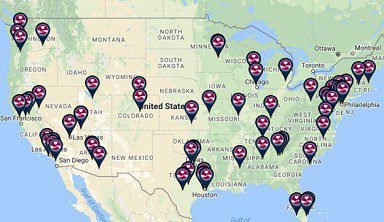
Understanding where to begin can feel overwhelming. Amada Senior Care can help families explore non-medical care needs and potential funding resources, including veterans’ benefits. Local offices can explain their services and, where participating, how they work with VA-authorized care. The VA determines benefit eligibility and authorizes covered services; participation and availability vary by location.
Remember the Person Providing Care to a Senior Veteran
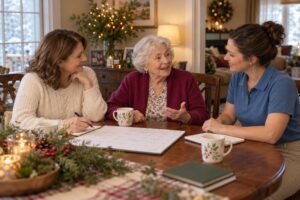
Behind an older veteran’s daily routine may be a spouse, adult child, friend, or neighbor whose own needs receive little attention. A general offer to “call if you need anything” can be difficult to act on. A specific offer is easier to consider: “Could I stay with Dad on Wednesday while you go to your appointment?” or “Would having help with dinner twice a week make things easier?”
Families can also ask the veteran’s VA team about caregiver resources. The VA’s Program of General Caregiver Support Services offers eligible caregivers resources such as training, coaching, peer support, and referrals. VA respite services may provide a break from caregiving, subject to eligibility, assessed need, and availability.
Recognizing a veteran’s service can include recognizing the person helping them navigate each day.
Closing the Care Loop for Aging Veterans
For case managers, social workers, discharge planners, and other referral professionals, Veterans Day can be a useful reminder to revisit how veteran status and home support needs are identified.
Ask whether the older adult has served, whether they are connected with VA care, and whom they want involved in planning. Explore the practical details of returning home: who will help with personal care, how meals will be prepared, how appointments will be reached, and whether the family caregiver can sustain the proposed responsibilities.
When a referral is appropriate, help establish a next step with a named contact and, with consent, confirm whether the connection occurred. A resource sheet becomes more useful when someone understands whom to call and what to ask.
Distinguishing non-medical assistance from skilled clinical services also helps families understand which needs each provider can address.
Put the Next Act of Gratitude on the Calendar Beyond Veterans Day
Before Veterans Day ends, make one commitment that continues beyond it. That might be a weekly visit, a regular ride, a monthly caregiver check-in, or a conversation with a local Amada Senior Care team about help at home. Ask the veteran what would be useful, agree on the next step, and choose a date to reconnect.
At Amada Senior Care, we are honored to support older veterans and their families through compassionate non-medical care, companionship, and help navigating care options. Our work centers on the daily details that help people feel respected and supported in the place they call home.
This November 11, let gratitude begin with recognition and continue through dependable acts of care. Could a veteran in your life use more support at home? Contact your local Amada Senior Care office to discuss care needs, available services, and resources for veterans and their families.