




A mysterious noise in the attic? A little spooky. A long-term care insurance policy tucked away in a filing cabinet? That shouldn’t have to be.
Yet for many families, understanding long-term care insurance (LTCi) can feel like walking through a haunted house: unfamiliar language, unexpected turns, and uncertainty about what comes next.
Whether you are an older adult planning for your own future, helping an aging parent, or connecting family members with care, a little clarity can make the process feel much more manageable. The goal is simple: understand what coverage may be available before an urgent care need makes every decision feel harder.
First, Bring That LTCi Policy Out of the Shadows
If you or a loved one already has long-term care insurance, start by locating the complete policy, any amendments or riders, and the most recent benefits statement. A policy purchased years ago may include coverage the family has never explored.
Depending on the contract, benefits may help pay for personal care at home, assisted living, adult day services, or nursing home care. Coverage varies, so never assume that a policy covers only a nursing home or that every type of home care automatically qualifies. The National Association of Insurance Commissioners identifies a range of care settings and services that long-term care policies may cover.
A policy review should answer several practical questions:
- What services and care settings are covered?
- What must happen before benefits become available?
- Is there a daily or monthly benefit limit?
- How much coverage remains?
- Does the policy include inflation protection?
- What requirements must a care provider meet?
- What will the family need to pay out of pocket?
You do not need to understand every page before asking for help. Gathering the documents is a useful first step.
Decode Two Terms in LTCi That Can Sound Scarier Than They Are
Two phrases often cause confusion: benefit triggers and elimination periods.
A benefit trigger is a condition that must be met to qualify for benefits. Most policies use the need for help with at least two activities of daily living, such as bathing, dressing, or eating, or qualifying cognitive impairment. The insurer’s assessment and the policy’s specific requirements determine eligibility. A diagnosis alone does not necessarily establish coverage.
An elimination period is the waiting period before covered benefits become payable. Families generally need to plan for care expenses during that time. Some policies count calendar days, while others count days when qualifying services are received. That distinction can affect how quickly the waiting period is satisfied.
For example, a policy with a 90-service-day elimination period may take considerably longer than three months to satisfy if care is provided only a few days each week. Ask the insurer to explain the counting method and confirm it in writing.
Don’t Let the Medicare Myth Haunt Your Planning
One common assumption is that Medicare will pay for ongoing help at home as a parent gets older.
Medicare generally does not cover long-term custodial care, including ongoing assistance with everyday activities when that is the only care a person needs. Coverage for qualifying skilled care is different and has its own requirements.
That makes it important to distinguish between medical services, non-medical personal care, and the benefits available through a private long-term care insurance policy. Understanding those differences can help families build a more realistic care budget.
What’s New: Recent Developments in LTCi Worth Understanding
Two developments in 2026 offer useful context for families and referral professionals.
New-policy prices can vary substantially. In July 2026, the American Association for Long-Term Care Insurance released a price comparison showing meaningful differences among insurers for comparable coverage. In one example, annual quotes for an Illinois couple, both age 60, ranged from approximately $4,591 to $7,173. Those figures are an illustration, not a personalized quote; actual pricing depends on factors including health, age, location, and policy design. For families considering coverage, the practical lesson is to compare options with a licensed insurance professional.
Premium increases remain an issue for some existing policyholders. The NAIC’s July 2026 update explains that older policies were often priced using assumptions that did not match actual claims experience. As a result, some insurers have needed rate increases. If an increase arrives, review the available choices before changing coverage or allowing a policy to lapse. Depending on the contract and applicable rules, options may include modifying benefits or retaining a reduced benefit without further premiums. Each choice can affect future protection.
Headlines can help start a conversation, but an individual policy review is what makes that conversation useful.
Take the Mystery Out of Starting a Claim
When care needs arise, paperwork can feel especially overwhelming. Breaking the process into smaller steps can help.
- Contact the insurer. Ask how to initiate a claim, what assessments are required, and which forms must be completed.
- Confirm provider requirements. Before assuming services will qualify, verify that the proposed care provider meets the policy’s conditions.
- Gather supporting records. Ask what care assessments, plans of care, invoices, and service documentation are needed.
- Clarify the timeline. Confirm how the elimination period works and how expenses will be handled while the claim is reviewed.
- Keep a shared record. Track submissions, calls, deadlines, and outstanding requests so family members can coordinate.
A pending claim is not a guarantee of payment. Understanding the requirements early helps families plan care and finances with fewer surprises.
A Simple Question Referral Partners Can Ask
For case managers, social workers, discharge planners, and other referral professionals, one question can open an important conversation:
“Do you or your loved one have a long-term care insurance policy we should consider as we explore care options?”
Families may not mention coverage because they do not know whether it applies to home care or whether their loved one qualifies.
With the family’s permission, an early connection to someone experienced in policy review and claims support can help clarify possible funding, documentation needs, and next steps. That information can support care planning while the insurer evaluates eligibility.
Amada Senior Care Can Help Make the Next Step Less Intimidating
Amada Senior Care offers long-term care insurance policy review and claims support to help families understand their coverage and navigate the process. Assistance may include benefit verification, paperwork, and communication with the insurance provider. The insurer determines eligibility and payment under the policy.
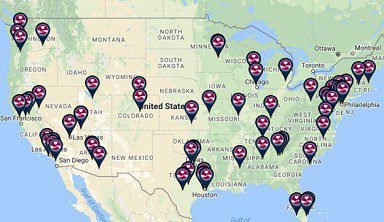
If you are a family caregiver wondering where to begin or a referral partner helping a family explore care, contact your local Amada Senior Care office to ask about a complimentary long-term care insurance policy review.
This spooky season, leave the mysteries to the haunted houses. Understanding your care options can begin with one conversation.
Helpful Long-Term Care Insurance Resources
- NAIC: Long-Term Care Insurance — Consumer information and access to the NAIC’s shopper’s guide.
- Administration for Community Living: Receiving Long-Term Care Insurance Benefits — An introduction to benefit triggers, waiting periods, and payments.
- Medicare: Long-Term Care Coverage — Information about what Medicare does and does not cover.
- 2026 AALTCI Long-Term Care Insurance Price Index — Illustrative pricing comparisons for consumers researching new coverage.
- Amada Senior Care — Connect with a local office for care options and long-term care insurance support.
Information reflects sources reviewed in October 2026. Coverage, eligibility, and claims requirements vary by policy. For advice about purchasing, replacing, or modifying insurance, consult a licensed insurance professional.