




Home holds the routines and memories that help us feel comfortable: a favorite chair, a familiar kitchen, the hallway we have walked down thousands of times. But familiarity can make it easier to overlook hazards and changes in our ability to navigate them. A thoughtful look around the house can help seniors continue living at home with greater confidence.
Why So Many Falls Happen at Home
The National Institute on Aging notes that many falls happen at home, where we spend much of their time and often move about without considering safety. A familiar space can contain loose rugs, dim hallways, and everyday obstacles.
A home that worked well for an older adult aged 55 likely will need adjustments when the individual reaches the senior age of 65 and then the benchmarks of 75 and 85. Reduced strength, balance difficulties, vision changes, and medication side effects can make routine activities more challenging for aging adults and seniors. According to the CDC, more than one in four adults age 65 and older falls each year. Most falls involve a combination of risk factors.
Imagine getting out of bed at night, walking through a dark hallway, and stepping onto a loose bathroom rug. Each problem might seem small on its own. Together, they create a situation that deserves attention.
Is the Bathroom the Most Dangerous Room in the House?
The bathroom deserves special attention because water, slippery surfaces, and movements such as stepping over a tub edge or rising from a toilet can make balance difficult. A frequently cited Centers for Disease Control and Prevention (CDC) study examined bathroom injuries; however, it did not compare every room in the house.
Published in 2011 using 2008 emergency department data, CDC the study estimated that approximately 234,000 people age 15 and older were treated for nonfatal bathroom injuries in the United States that year. About 81% of those injuries involved falls, and approximately two-thirds occurred in or around the tub or shower. Injury rates increased with age. Among seniors aged 85 and older, about 52% of bathroom injuries occurred on or near the toilet.
These findings highlight an important point for senior independence: bathroom safety involves both bathing and getting on and off the toilet.
Senior Independence: Start with a Safer Bathroom
Small improvements can make every day personal care more manageable:
- Install properly secured grab bars. Place them where support is needed near the toilet and inside and outside the tub or shower. Towel racks are not designed to hold a person’s weight.
- Improve traction. Use suitable nonslip surfaces or secured nonslip mats in the tub or shower and keep the surrounding floor dry.
- Consider seated bathing. A shower chair or bath bench may help someone who has difficulty standing throughout a shower.
- Choose equipment for the individual. A raised toilet seat or other support may help some people, but fit and safe use matter. Ask a healthcare provider for an occupational or physical therapy referral to assess the bathroom and recommend appropriate changes.
Include your loved one in these decisions. Ask, “What would make bathing easier for you?” or “Do you feel steady getting up from the toilet?” Their answers can reveal concerns they have been reluctant to mention.
Look Beyond the Bathroom to the Routes You or Your Loved One Use Every Day
Bedroom and hallway: Put a lamp within easy reach of the bed and add nightlights along the route to the bathroom.
Living areas: Remove loose throw rugs, clear clutter, and move cords out of walking paths. Arrange furniture so there is a clear route through each room.
Kitchen: Keep frequently used items within comfortable reach, ideally around waist height, to reduce the need to climb or stretch.
Stairs and entrances: Repair uneven steps, secure loose carpeting, improve lighting, and install sturdy handrails on both sides of stairs.
Walk through the home together during the day and again after dark. Invite your loved one to point out the places where they hesitate, reach for furniture, or feel less confident.
Address the Senior’s Lifestyle Needs as Well as the Home
Home improvements work best alongside attention to health and mobility. The CDC recommends reviewing medications with a doctor or pharmacist, checking vision and foot health, and choosing well-fitting, supportive footwear.
Ask a healthcare provider about appropriate exercises to improve strength and balance, or whether physical therapy would help. Report falls, unsteadiness, and fear of falling rather than waiting for an injury.
Fear can also lead someone to move less. The CDC warns that reduced activity can contribute to weakness and increase fall risk. Supporting safe movement helps preserve confidence and independence.
How Caregivers and Families can Help Seniors with Fall Prevention
A useful family conversation begins with a shared goal: “We want you to keep enjoying your home comfortably.”
Caregivers can help keep pathways clear, notice changes in daily routines, and provide assistance with bathing, dressing, and mobility according to the person’s care plan and the caregiver’s training. Families can share observations with the healthcare team and revisit support needs after an illness, hospital stay or change in mobility.
Avoid rushing personal care. Allow time for your loved one to participate, explain the help you are offering, and respect their privacy and preferences.
Make Home Safety Part of Everyday Care
You do not have to redesign the entire house in one weekend. Start with the bathroom and the route from the bed to the toilet, then work through other frequently used spaces.
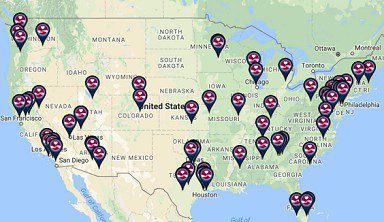
At Amada Senior Care, we understand how much remaining at home can mean to older adults and their families. Personalized non-medical care can provide support with daily activities and help families recognize when additional assistance may be needed. Many individual Amada franchise owners are certified fall risk prevention specialists and are happy to provide guidance to seniors and their families.
CLICK HERE to find a local Amada Senior Care office to request a complimentary in-home care assessment and discuss support either for yourself or your senior loved one’s daily routines.