




Every September, Healthy Aging Month offers an opportunity to rethink what growing older can look like. Today, healthy aging is about much more than adding years to life. It is about protecting independence, maintaining meaningful relationships, and enjoying the best possible quality of life throughout those years.
For seniors aged 65 and older, the latest healthy aging trends reflect a shift toward prevention, personalized support, and practical technology. Rather than waiting for a health crisis, more seniors and families are taking proactive steps to make everyday life safer, healthier, and more connected.
The Focus Is Shifting From Lifespan to “Healthspan”
Living longer is a wonderful achievement, but the goal is increasingly to extend a person’s healthspan, the years spent feeling healthy, capable and engaged. That means paying attention to the everyday habits that support physical, cognitive, and emotional wellness, including:
- Staying physically active
- Eating nutritious foods
- Getting seven to nine hours of sleep
- Managing chronic conditions
- Keeping up with recommended screenings and vaccinations
- Maintaining social connections
- Continuing to learn and pursue meaningful interests
Healthy aging does not mean living without any health challenges. It means managing those challenges in ways that preserve dignity, choice, and independence.
Strength and Balance Are Taking Center Stage
Walking remains an excellent form of exercise, but healthy-aging experts are placing greater emphasis on strength, flexibility, and balance training.
The National Institute on Aging notes that older adults and seniors can benefit from aerobic activity, muscle-strengthening exercises, and balance activities. Together, these forms of movement can support mobility and make it easier to continue performing everyday tasks.
Balance training is especially important because falls remain one of the most serious threats to independence. According to the Centers for Disease Control and Prevention, more than one in four seniors aged 65 and older reports falling each year.
A healthcare professional can help an older adult or senior determine which activities are appropriate. Depending on a person’s health and mobility, the answer might include walking, chair exercises, resistance bands, tai chi, water aerobics or a physical therapist-recommended balance program.
Aging in Place Is Becoming More Proactive
Many seniors want to remain in their own homes for as long as possible. Today’s approach to aging in place encourages families to prepare before a fall, hospitalization, or other emergency makes decisions urgent. Proactive planning may include:
- Improving lighting in hallways and stairwells
- Installing grab bars and handrails
- Removing loose rugs and other tripping hazards
- Creating a medication-management routine
- Arranging reliable transportation
- Identifying who can help with meals, errands, and appointments
- Introducing in-home care gradually
- Developing an emergency communication plan
Aging in place works best when the home, care plan, and support network adapt as a senior’s needs change.
Technology Is Becoming Part of Everyday Healthy Aging
Older adults and seniors are increasingly using technology to support their health and independence. According to AARP’s technology research, 71% of adults aged 50 and older purchased technology in 2025, and two in five were planning a technology purchase in 2026.
The most useful tools tend to solve everyday problems without making life more complicated.
Wearable Health and Safety Devices
Smartwatches and fitness trackers can monitor steps, activity levels, sleep patterns and, in some devices, heart rate or irregular heart rhythms. Some also include fall detection and emergency-calling features. These devices are not substitutes for professional medical care, but they may help a senior notice changes, stay motivated, and share useful information with a healthcare provider.
Personal Emergency Response Systems
A personal emergency response system or PERS, like Amada Connect, allows an older adult to call for assistance after a fall, sudden illness or other emergency. Depending on the system, it may include:
- A wearable help button
- Automatic fall detection
- GPS location services
- Two-way communication
- Family or caregiver notifications
These systems can provide reassurance without requiring someone to be physically present every minute of the day.
Telehealth and Remote Monitoring
Telehealth makes it possible to speak with certain healthcare providers from home, which can be especially helpful for seniors who have mobility or transportation challenges.
Remote monitoring devices may also allow care teams to track information such as blood pressure, blood glucose, oxygen saturation or weight between appointments. When used under professional guidance, this information can help identify changes that deserve attention.
Medication-Management Technology
Electronic pill dispensers, smart-phone reminders, and connected medication systems can help seniors follow a medication schedule. Some tools can notify a family member when a dose may have been missed.
Technology can provide reminders, but it cannot independently determine whether a medication is correct or should be changed. Questions about prescriptions, side effects or drug interactions should always be directed to a physician or pharmacist.
Smart-Home and Voice-Activated Tools
Voice assistants and smart-home devices can make common tasks easier for someone with limited mobility, vision loss or arthritis. A senior may be able to use spoken commands to:
- Turn lights on and off
- Adjust the thermostat
- Make a phone call
- Set reminders
- Hear the weather forecast
- Play music or an audiobook
- Create a grocery list
Motion sensors and smart lighting can also illuminate frequently used pathways at night, potentially reducing household hazards.
Hearing and Communication Technology
Untreated hearing loss can make conversations difficult and contribute to withdrawal or isolation. Today’s hearing aids, amplified phones, captioned calling services, and video-chat platforms can make it easier to stay engaged.
Technology that helps an older adult or senior hear and communicate is not merely a convenience. It can be an important part of emotional wellness, safety, and continued participation in family and community life.
Social Connection Is Being Recognized as a Health Priority
Healthy aging is not only physical. Meaningful connection plays an essential role in emotional and cognitive wellness.
The National Institute on Aging reports that loneliness and social isolation are associated with increased risks for several health concerns, including depression, heart disease, and cognitive decline.
Video calls, online classes, and social media can help seniors stay connected across distances. However, digital communication should complement, not replace, personal interaction. Shared meals, visits, faith communities, volunteer activities, senior centers, and regular time with a trusted caregiver can provide a deeper sense of companionship and purpose.
Artificial Intelligence Is Entering the Healthy-Aging Conversation
Artificial intelligence is beginning to appear in health apps, voice assistants, smart-home systems and devices that recognize changes in a person’s routine. In the future, some systems may help families notice patterns such as reduced activity, disrupted sleep or changes in daily habits.
AI tools may also help seniors brainstorm questions for a medical appointment, understand general health terminology or organize information. However, AI-generated health information can be inaccurate and should never replace advice from a qualified healthcare professional.
Seniors and families should also be cautious about privacy and fraud. Never give an AI tool or an unexpected caller or message Social Security numbers, financial account information, passwords or sensitive medical details.
The Human Side of Healthy Aging
Technology can send a reminder, detect movement or connect someone to emergency help. What it cannot do is notice the worried expression behind the words “I’m fine,” share a meaningful conversation or provide compassionate, hands-on assistance.
That is why the most successful healthy-aging plans combine useful technology with trusted human support.
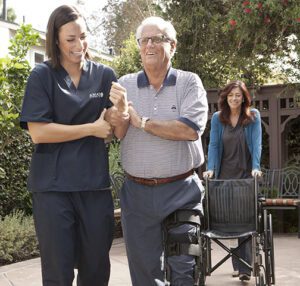
A professional in-home caregiver can help an older adult or senior:
- Maintain a safe daily routine
- Prepare nutritious meals
- Stay physically and socially engaged
- Get to appointments and activities
- Remember scheduled medications
- Complete personal care and household tasks
- Enjoy companionship and reassurance
Caregivers can also help families remain connected to their loved one’s changing needs while providing valuable respite for family members.
A Healthier Future Can Begin With One Small Step
Healthy Aging Month is a reminder that positive changes do not have to happen all at once. An older adult or senior might begin by scheduling a preventive appointment, trying a balance class, reviewing medications, reconnecting with a friend or exploring a safety device for the home.
The best technology is not necessarily the newest or most sophisticated. It is the tool a person understands, feels comfortable using and can rely on as part of a broader support plan.
At Amada Senior Care, we believe healthy aging should protect more than physical health. It should help seniors preserve their independence, confidence, relationships, and sense of purpose. By combining thoughtful planning, appropriate technology and compassionate in-home care, families can help their loved ones continue living safely and meaningfully in the place they call home. If you’d like to learn more about how a compassionate caregiver can support healthy aging, CLICK HERE to speak to a senior care advisor at an Amada Senior Care franchise office near you.