




Every September, communities around the world observe World Alzheimer’s Month, a time to raise awareness, challenge the stigma surrounding dementia and stand beside the millions of individuals and families affected by Alzheimer’s disease. World Alzheimer’s Day, observed on September 21, provides another important opportunity to bring this disease and the people whose lives it touches into the public conversation.
For seniors, family caregivers and healthcare referral partners, this year’s observance arrives at a moment of genuine scientific progress. Alzheimer’s disease still has no cure, but advances in diagnosis, treatment and research are giving families more reasons to be hopeful and making early conversations about memory changes more important than ever.
Alzheimer’s Is Not a Normal Part of Aging
Occasionally forgetting a name or misplacing an item can happen to anyone. Alzheimer’s disease is different. It is a progressive brain disease that affects memory, thinking, behavior and, eventually, the ability to perform everyday activities.
The scope of its impact continues to grow. According to the Alzheimer’s Association’s 2026 Facts and Figures report:
- An estimated 7.4 million Americans age 65 and older are living with Alzheimer’s dementia.
- About 1 in 9 adults age 65 and older has Alzheimer’s.
- Nearly three-quarters of Americans living with the disease are age 75 or older.
- More than 12 million people provide unpaid care for someone with Alzheimer’s or another form of dementia.
Behind every statistic is a person, a family and often an entire circle of friends, caregivers and healthcare professionals working together to preserve safety, dignity and quality of life.
Are We Closer to a Cure for Alzheimer’s?
The most accurate answer is that researchers have not yet found a cure, meaning there is currently no treatment that can completely stop or reverse Alzheimer’s disease or restore cognitive abilities already lost. However, the outlook is more promising than it was only a few years ago.
Two FDA-approved treatments, lecanemab (sold under the brand name Leqembi) and donanemab (sold as Kisunla), have been shown to slow cognitive and functional decline in certain people with early Alzheimer’s disease. These medications target beta-amyloid, a protein that forms plaques in the brain and is associated with Alzheimer’s.
These drugs are not appropriate for everyone. They are intended for people in the mild cognitive impairment or mild dementia stage who have confirmed amyloid in the brain. They also carry potentially serious risks, including amyloid-related imaging abnormalities, or ARIA, which may involve brain swelling or bleeding. Treatment requires careful evaluation, ongoing medical supervision and a discussion of the potential benefits and risks.
Still, these therapies represent an important shift. For the first time, treatments are available that address an underlying feature of Alzheimer’s biology rather than only helping manage symptoms. In July 2026, the FDA also approved a new starting regimen that allows eligible patients or their caregivers to administer a form of lecanemab under the skin at home. This may eventually reduce some of the travel and time associated with receiving treatment through regular clinic-based infusions.
Researchers are also investigating additional approaches involving tau proteins, inflammation, immune activity, metabolism, genetics and combinations of therapies. As with cancer and heart disease, the future of Alzheimer’s treatment may involve several strategies selected according to an individual’s particular biology and stage of disease.
Earlier and More Accessible Diagnosis for Alzheimer’s Disease
Progress is also being made in detecting Alzheimer’s disease. In 2025, the FDA cleared the first blood test to help healthcare professionals diagnose Alzheimer’s in adults age 55 and older who are experiencing signs of cognitive decline. The test measures proteins associated with amyloid plaques and may help reduce reliance on more costly or invasive testing, such as PET scans and spinal taps.
It is not a general screening test, and it cannot diagnose Alzheimer’s on its own. Results must be considered alongside symptoms, medical history, cognitive assessments and other clinical information. Nevertheless, this development could help make an accurate diagnosis more accessible, especially important now that certain treatments are most beneficial during the disease’s early stages.
Families should not assume that noticeable memory or behavioral changes are simply part of getting older. Some symptoms can be related to medication side effects, infections, depression, sleep disorders, vitamin deficiencies or other treatable conditions. A thorough medical evaluation is the best place to begin.
What Families Can Do Today
While research continues, families do not have to wait for a cure to make life safer and more meaningful for a loved one with Alzheimer’s. Helpful steps can include:
- Establishing predictable daily routines
- Simplifying choices and communicating one idea at a time
- Encouraging safe physical movement and social engagement
- Reviewing medications with the appropriate healthcare professional
- Reducing fall, wandering and cooking hazards in the home
- Completing legal, financial and healthcare planning early
- Asking for caregiving help before exhaustion reaches a crisis point
For referral professionals, early coordination among physicians, care managers, social workers, therapists, home care providers and family members can reduce gaps in care. This collaboration becomes especially important following a hospitalization or rehabilitation stay, when an unfamiliar routine may increase confusion or distress.
How Non-Medical Home Care Can Support Seniors Living with Alzheimer’s
A familiar home environment can provide comfort and continuity for many people living with Alzheimer’s. Trained non-medical caregivers can support daily routines, personal care, meal preparation, light housekeeping, medication reminders, mobility and meaningful companionship.
They can also give family caregivers time to work, rest, attend appointments or simply reconnect with their loved one as a spouse, son, daughter or friend, not only as a caregiver.
Because Alzheimer’s is progressive, care needs will change. Regular communication among families, healthcare referral partners and the home care team helps ensure that support evolves along with the individual.
Amada Teams Are Walking Toward a World Without Alzheimer’s
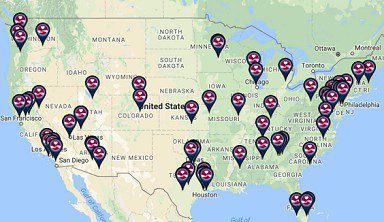
Throughout this season, many independently owned and operated Amada Senior Care offices are participating in local Alzheimer’s Association Walk to End Alzheimer’s events.
For our teams, walking is about more than completing a route. It is a way to honor our clients, their families, our caregivers and everyone who has been affected by Alzheimer’s or another form of dementia. Funds raised through these events help support Alzheimer’s care, education, advocacy and research, including the continuing pursuit of better treatments and, ultimately, a cure.
Every participant, donor, volunteer and supporter helps move that mission forward.
Turning Alzheimer’s Awareness Into Action
World Alzheimer’s Month reminds us that awareness is most powerful when it leads to action: noticing the warning signs, seeking an evaluation, supporting a caregiver, joining a community event or helping a family arrange the care they need.
There may not yet be a cure for Alzheimer’s, but there is meaningful progress. There is compassionate support. And there is hope carried forward by researchers, healthcare professionals, caregivers, families and everyone willing to take another step toward a future without this disease.
If your family is navigating memory changes or an Alzheimer’s diagnosis, contact your locally owned Amada Senior Care office to learn how personalized, non-medical in-home care can help your loved one remain safer, supported and connected wherever they call home.
This article is for general educational purposes and is not a substitute for medical advice. Families should discuss diagnosis and treatment options with a qualified healthcare professional.