




Every year on June 15, communities observe World Elder Abuse Awareness Day (WEAAD). This day is dedicated to raising awareness about one of the most underreported issues affecting older adults and seniors: elder abuse.
As older adults age and seniors reach their golden years, they deserve to be treated with dignity, respect, and compassion. Unfortunately, millions of older adults and seniors experience abuse, neglect, or exploitation each year, often at the hands of someone they know and trust.
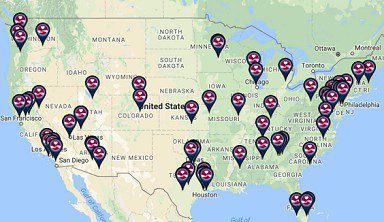
At Amada Senior Care, we believe that awareness is one of our most powerful tools for prevention of elder abuse. Many owners of independently owned Amada franchise offices offer no-cost educational sessions at senior centers, assisted living communities, hospitals and medical centers, and other venues to educate members of the public and the healthcare employees on this layered topic. Understanding what elder abuse is, recognizing the warning signs, and knowing how to respond can help protect vulnerable older adults and preserve their quality of life.
What Is Elder Abuse?
According to the Centers for Disease Control and Prevention (CDC), elder abuse is any intentional act (or failure to act) that causes harm or creates a serious risk of harm to an older adult. Abuse can occur in a private home, a care facility, or within the community. Tragically, it is often perpetrated by a family member, caregiver, friend, or another trusted individual.
The Five Main Types of Elder Abuse
Elder abuse manifests in several different ways. Understanding the distinct forms it can take is the first step toward prevention.
1. Physical Abuse
Physical abuse involves the use of force that results in injury, pain, or impairment.
- Examples include: Hitting, slapping, pushing, or restraining a senior; improper use of medications; and force-feeding or withholding necessary care.
2. Emotional or Psychological Abuse
This type of abuse causes emotional distress through verbal or nonverbal actions.
- Examples include: Insults, threats, intimidation, humiliation, or ridicule; isolating a senior from friends and family; and treating an older adult like a child.
3. Financial Exploitation
Financial abuse is one of the fastest-growing forms of elder mistreatment, often leaving seniors financially devastated.
- Examples include: Unauthorized use of a senior’s bank accounts or credit cards; forging signatures; pressuring someone to change a will or power of attorney; and targeted scams via phone calls, email, or social media.
4. Neglect
Neglect occurs when a senior’s basic life needs are willfully or carelessly unmet.
- Examples include: Failure to provide adequate food or water; poor hygiene or unsafe living conditions; ignoring medical needs; and a lack of proper supervision for someone with cognitive impairment.
5. Sexual Abuse
Any non-consensual sexual contact with an older adult is considered abuse.
- Examples include: Unwanted touching, sexual assault, and coercion or exploitation.
Elder Abuse by the Numbers
The statistics surrounding elder abuse are alarming, yet experts agree they likely underrepresent the true scope of the problem:
- 1 in 10: Approximately 1 in 10 older adults and seniors in the U.S. experiences some form of elder abuse each year, according to the CDC.
- 1 in 6: Globally, an estimated 1 in 6 adults age 60 and older experienced abuse in community settings over the past year, reports the World Health Organization.
- The Silence Barrier: Many cases go unreported because older adults may feel embarrassed, fear retaliation, depend on the abuser for daily care, or be unable to communicate what is happening due to cognitive decline.
- The Financial Toll: The CDC reports that assault-related injuries among older adults cost nearly $33 billion, reflecting a massive societal impact.
- Modern Threats: Financial exploitation continues to skyrocket as scammers increasingly target older adults through sophisticated phone, email, online, and AI-assisted fraud schemes.
Warning Signs Families Should Never Ignore
Elder abuse is not always obvious. Some signs may appear gradually and can easily be mistaken for normal aging. Watch closely for these indicators:
Physical and Emotional Indicators of Elder Mistreatment
- Unexplained bruises, burns, cuts, or fractures
- Frequent, unexplained hospital or emergency room visits
- Sudden, drastic weight loss or dehydration
- Increased anxiety, fearfulness, or new onset of depression
- Withdrawal from beloved social activities
- A noticeable reluctance to speak openly in front of a specific caregiver or family member
Financial and Neglect Indicators of Elder Abuse
- Unusual or large withdrawals from bank accounts
- Unpaid bills or utility shutoff notices despite adequate income
- Missing valuables, heirlooms, or sudden changes to legal and financial documents
- Poor personal hygiene or consistently soiled clothing
- Unsafe, dirty, or cluttered living conditions
- Lack of necessary food, medication, or medical assistive devices (like hearing aids or walkers)
Elder Abuse by a Family Member or Friend
We often think of elder abuse being perpetrated by criminals who target older adults and seniors. The sobering reality check is that six out of 10 cases of elder abuse are committed by a family member or close friend. Many legal experts believe the prevalence of elder abuse cases is much higher, as research suggests that just one out of every 24 cases is reported.
A Real-Life Example: When a Family Member’s Assistance Leads to Senior Financial Abuse
Consider “Mary,” an 82-year-old widow living alone. Her nephew began helping with errands and managing her finances after she stopped driving. Over time, family members noticed Mary seemed uncharacteristically anxious whenever money was discussed.
Eventually, they discovered thousands of dollars had been withdrawn from her account without her knowledge. Because a concerned family member asked questions and reviewed her financial records, the exploitation was uncovered before even greater losses occurred. While names and circumstances vary, stories like Mary’s happen every day.
A Real-Life Example: When Isolation Leads to Elder Neglect
“Robert,” an 87-year-old widower, lived with his adult son, who had become his primary caregiver after Robert experienced mobility challenges. At first, the arrangement seemed to work well. However, over time, neighbors noticed Robert was rarely seen outside, and family members found it increasingly difficult to speak with him on the phone.
When a visiting relative finally stopped by unannounced, they discovered that Robert had lost a significant amount of weight, his home was unclean, and several prescription medications had gone unfilled. His son, overwhelmed by caregiving responsibilities and personal stress, had gradually become unable to provide the level of care Robert needed.
While there was no intent to cause harm, the situation had become one of neglect. Once the family recognized the warning signs, they arranged additional support, including professional in-home care services, meal assistance, and regular wellness visits. With a stronger care team in place, Robert’s health, nutrition, and overall quality of life improved significantly.
This example illustrates that elder abuse is not always intentional. Sometimes neglect occurs when a family caregiver becomes exhausted, isolated, or overwhelmed. Having additional support and regular check-ins can help identify problems early and ensure seniors receive the care and attention they deserve.
Financial exploitation and manipulation by a “friend” is unfortunately one of the most common forms of elder abuse, making it highly relevant for families and seniors.
A Real-Life Example: When a Friend Takes Advantage of an Elder
“Betty,” an 81-year-old retiree, met a friendly neighbor shortly after moving into a new community. The two quickly became close, and the neighbor often offered to help Betty with grocery shopping, transportation, and household errands. Betty appreciated the companionship, especially after the loss of her husband.
Over time, the neighbor began asking for small loans to cover temporary expenses, promising to pay Betty back. At first, the amounts were modest, sometimes $20 here, $50 there. But the requests gradually became larger and more frequent. The neighbor also convinced Betty to add her as an authorized user on a credit card “just in case of emergencies.”
Months later, Betty’s daughter noticed unusual charges on her mother’s credit card statements and several large withdrawals from her bank account. When the family investigated, they discovered that the neighbor had accumulated thousands of dollars in unauthorized purchases and had no intention of repaying the money.
The situation was especially painful because Betty did not initially view herself as a victim. She believed she was helping a friend and felt embarrassed to admit she had been taken advantage of. With support from her family, financial institutions, and local authorities, Betty was able to stop the exploitation and put safeguards in place to protect her finances moving forward.
This example highlights how elder abuse often begins with trust. Individuals who exploit older adults frequently build relationships over time, making it difficult for seniors to recognize manipulation or coercion. Regular conversations about finances, trusted points of contact, and oversight from family members can help identify concerns before significant losses occur.
How Professional Caregivers Provide Peace of Mind
One of the greatest benefits of professional, non-medical in-home care is the presence of a trained, objective, and compassionate professional who regularly checks on a senior’s well-being.
Professional caregivers can:
- Observe daily changes in physical, mental, or emotional health.
- Identify early signs of neglect, self-neglect, or financial exploitation.
- Encourage social engagement, effectively reducing the isolation that makes seniors vulnerable to abusers.
- Document concerns objectively and communicate transparently with designated family members.
- Serve as an extra layer of defense and accountability in the home.
While caregivers are not legal investigators, they are often the very first people to notice when something doesn’t seem right.
What To Do If You Suspect Elder Abuse
If you believe an older adult is in immediate danger, call 911 right away.
For non-emergency concerns:
- Contact Adult Protective Services (APS): Every state has an APS agency dedicated to investigating reports of abuse and helping vulnerable adults.
- Report to Law Enforcement: If a crime or financial fraud has occurred, notify local police.
- Speak with Professionals: Consult healthcare providers, elder law attorneys, or social workers involved in the senior’s care.
- Trust Your Instincts: You do not need absolute proof to make a report. If something feels wrong, it deserves attention.
Standing Together Against Elder Abuse
World Elder Abuse Awareness Day serves as a vital reminder that protecting older adults is a shared community responsibility. Every senior deserves to age with dignity, security, and respect.
By learning the signs of abuse, checking in on vulnerable older neighbors, and speaking up when concerns arise, we can help create safer communities for the generation that spent their lives caring for us.
At Amada Senior Care, we are committed to advocating for the well-being of older adults. We are here to help your family navigate the challenges of aging with compassion, vigilance, and unwavering support. If you have questions about how a trained compassionate caregiver can support an aging loved one, CLICK HERE to find an Amada office near you.