




Caring for a parent, spouse, or relative with progressive memory loss, whether due to Alzheimer’s, vascular dementia, or another cognitive condition, is one of the most profoundly loving yet deeply exhausting journeys a person can take. If your loved one occasionally forgets appointments or has been diagnosed with Alzheimer’s disease or another form of dementia, you may wonder how to help while preserving their independence, dignity, and quality of life.
If you are a family caregiver, it’s easy to feel like you are figuring everything out by trial and error. Your goal isn’t to create a sterile, hospital-like environment, but rather to build a safe, predictable, and comforting sanctuary where your loved one can maintain their dignity, and where you can breathe.
The good news is that many older adults with memory loss can continue living safely at home with the right support system. Family caregivers play a vital role in creating a familiar, comforting environment that promotes confidence while reducing stress. If you’re caring for a loved one with memory loss, here are practical strategies that can make everyday life easier for both of you.
Three Tips for Family Caregivers Who Support a Loved One with Memory Loss
1. Structure the Day, Not Just the Space
When the brain struggles to process time and short-term memory, the world can feel unpredictable and frightening. Routines are an anchor.
- Predictable Anchors: Keep meals, waking times, and bedtime consistent. If they always have tea at 3:00 PM, preserve that ritual.
- The Power of Residual Heat: In memory care, emotional energy lingers long after the facts disappear. Your loved one might forget why they are upset, but the feeling of anxiety will remain. Approach interactions with calm, unhurried energy.
- Simplify Choices: Instead of asking, “What do you want to wear today?” (which can trigger decision paralysis), hold up two outfits and ask, “The blue shirt or the green shirt?”
2. Lean Into “Validation Therapy” Over Reality
One of the hardest shifts for family members is letting go of the urge to correct. If your 85-year-old mother asks when her own mother is coming home, telling her “Mom died thirty years ago” can cause her to relive that raw grief all over again.
Instead, use Validation Therapy and meet them where they are in their reality.
- Validate the feeling: “You’re thinking about your mom today? She was an incredible cook, wasn’t she?”
- Redirect gently: Shift the focus to a comforting memory or a physical activity, like folding towels or listening to a favorite song.
3. Rethink Home Safety
According to data from AARP, falls are a leading cause of hospitalization for people living with dementia. Making subtle modifications can drastically reduce risk without making the home feel restrictive.
1.Optimize Lighting: Eliminate Shadows
Memory loss alters depth perception. Add motion-activated nightlights in hallways and bathrooms to eliminate dark corners that can look like holes or obstacles.
2.Clear Pathways: Reduce Tripping Hazards
Remove area rugs, extension cords, and low coffee tables. Keep floors entirely clear.
3.Camouflage Exits: Address Wandering
If wandering is a concern, paint exit doors or door knobs the same color as the surrounding walls or install visual barriers (like a curtain over the door) to discourage exit-seeking behavior.
New Trends in Home Memory Care
The elder care landscape has shifted toward high-tech, highly personalized support. Here is what is helping families manage care right now:
- AI-Enhanced Safety and Analytics: Beyond basic wearable buttons, modern smart homes utilize ambient wall sensors and AI-driven analytics. These systems learn your loved one’s daily patterns and can quietly alert you to anomalies, like if they’ve been in the bathroom for an unusually long time, or if changes in their walking stride point to an elevated fall risk.
- Sensory and VR Reminiscence: Virtual Reality (VR) and sensory therapy are being used at home to combat isolation. Immersive VR programs allow individuals to “visit” the neighborhood they grew up in or enjoy a calming beach, which can significantly reduce late-day agitation known as “sundowning.”
- Music-Driven Engagement: Neuroscience continues to show that the brain regions processing music are often the last affected by dementia. Tailored audio playlists are being used as non-pharmacological tools to stimulate long-term memory, improve mood, and ease transitions like bathing.
When You’re a Family Caregiver, Remember to Care for Yourself
One of the biggest trends in dementia care is recognizing that caregiver health matters just as much as patient health. The emotional and physical demands of caregiving are significant. Nearly 1 in 5 family caregivers reports fair or poor health due to the demands of care. Taking a break isn’t selfish; it is a clinical necessity to prevent burnout.
According to the Alzheimer’s Association, nearly 13 million Americans provide unpaid care for someone living with dementia, contributing care valued at hundreds of billions of dollars annually. The organization also reports that family caregivers frequently experience high emotional stress, financial strain, and health challenges of their own.
The Centers for Disease Control and Prevention (CDC) also notes that approximately 1 in 8 unpaid caregivers age 45 and older report worsening memory problems themselves, highlighting the importance of caregiver self-care.
As a family caregiver, give yourself permission to:
- Accept help from family and friends
- Look into local adult day programs or short-term stays at local memory care communities for your loved one to give yourself time to recharge
- Take regular breaks
- Join a caregiver support group
- Exercise regularly
- Keep up with your own medical appointments
- Prioritize sleep whenever possible
Caring for yourself helps you provide better care for someone else.
Helpful Resources for Families Dealing with Progressive Memory Loss Issues
If you’re a family caregiver navigating memory loss, you don’t have to feel alone or do it alone. Some excellent resources include:
The Alzheimer’s Association, which offers a free 24/7 Helpline (800-272-3900), caregiver education programs, local support groups, and practical guidance for every stage of dementia.
The CDC provides educational resources on dementia caregiving, caregiver wellness, and reducing caregiver stress.
Local Area Agencies on Aging, memory cafés, and caregiver support groups can connect families with respite care, educational workshops, and community services.
Home Is a Source of Comfort for Seniors with Memory Loss
For many older adults experiencing memory loss, remaining in familiar surroundings provides a sense of security that cannot be replicated elsewhere. Familiar photographs, treasured routines, favorite meals, beloved pets, and cherished neighbors all contribute to emotional well-being.
While memory loss presents new challenges, families don’t have to face them alone. With patience, planning, community resources, and compassionate support, many seniors can continue living safely and meaningfully at home.
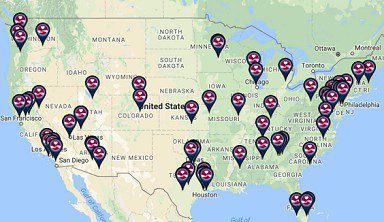
At Amada Senior Care, we’re honored to partner with families navigating Alzheimer’s disease and other forms of dementia. Whether your loved one needs companionship, personal care, respite care, or help with daily activities, our trained caregivers provide compassionate support that helps seniors maintain dignity, independence, and the comfort of home, while giving family caregivers the opportunity to rest, recharge, and simply enjoy being family again. If you’d like to learn more, CLICK HERE to find an Amada office near you.