




Every May, Older Americans Month invites us to pause and reflect on the people who shaped our lives: our parents, grandparents, neighbors, and mentors. It’s a time to celebrate their stories, their resilience, and the legacies they continue to build. But for many families, this month also brings a quieter, more personal realization:
“How do we make sure they’re supported as they age?”
Many families are on this journey. Recent 2025 data shows that nearly 1 in 4 American adults are currently providing care for a loved one. While 75% of seniors say their primary goal is to stay in the home they love, the reality is that family caregivers are often shouldering the weight of that goal themselves by providing over $1 trillion in unpaid support annually.
If you are an adult daughter or son currently balancing a career, your own children, and the increasing needs of an aging parent, you know that “caregiving” often feels more like “project management.” When you visit your mom or dad, is your time spent sharing a cup of coffee and a laugh? Or is it spent checking the fridge for expired milk, rushing through laundry, and managing a calendar of appointments?
This Older Americans Month, we at Amada Senior Care want to help you shift the focus back to what matters most: your relationship with parents or other senior loved ones. Our mission at Amada Senior Care is to step in before that labor of love as a family caregiver leads to burnout.
A Senior Care Story Many Families Know
Linda started noticing small changes in her dad, Robert.
He’d always been fiercely independent, the kind of man who fixed everything himself, who never missed a morning walk, who insisted on hosting Sunday dinners well into his 70s.
But lately, things have felt different.
Forgotten appointments. Uneaten meals. A house that wasn’t as tidy as it used to be.
Nothing alarming on its own, but together, enough to make Linda pause. She wondered:
- Is this just normal aging?
- Should I step in?
- What would he even be open to?
Most of all, she worried about taking away the independence he valued so deeply.
Honoring Senior Independence Through Support
Stories like Linda and Robert’s are incredibly common and they speak to the true meaning of Older Americans Month. The theme of aging today is about staying connected and staying home. Research consistently shows that seniors thrive when they can remain in familiar surroundings. However, maintaining a home requires effort that can eventually become a burden for both the senior and their family.
Non-medical home care isn’t about taking away a senior’s independence; it’s about providing the infrastructure that allows it to continue. For many seniors, that means staying in the place they feel most comfortable: home, where they are surrounded by familiar routines, revisiting memories in every room, and feel a sense of control over their daily lives.
Our trained caregivers at Amada Senior Care step in to handle the “tasks of daily living” so that the “joys of living” can take center stage.
How Amada Senior Care Supports Your Family’s Journey
At Amada Senior Care, we believe that every senior deserves to be celebrated, not just managed. Our services are designed to wrap around your family’s unique needs:
- Companionship: Because a conversation over a puzzle is just as important as a tidy living room.
- Daily Assistance: From light housekeeping and meal preparation to medication reminders.
- Transportation: Ensuring your loved one stays active in the community, from grocery trips to social clubs.
- Respite for You: Giving family caregivers the peace of mind to take a breath, knowing their loved one is in safe, compassionate hands.
When Senior Independence Needs a Little Support
The idea of “care” can feel overwhelming for both seniors and their families. But support doesn’t have to mean losing independence. In fact, the right kind of help can protect it. Non-medical home care is designed to do exactly that by providing assistance where it’s needed, while preserving dignity, autonomy, and routine.
For someone like Robert, that might look like:
- Help with meal preparation to ensure he’s eating well
- Light housekeeping to keep his home safe and comfortable
- Transportation to appointments or social outings
- Companionship to reduce isolation and keep him engaged
For Linda, it means peace of mind knowing her dad is supported, without feeling like she has to do everything alone.
Senior In-Home Care That Feels Like an Extension of Family
One of the biggest concerns families have is this: “Will my loved one feel comfortable with someone new?” The best care relationships are built on trust, consistency, and genuine human connection. Over time, caregivers often become more than helpers. They become companions, advocates, and familiar faces that seniors look forward to seeing. And for many older adults, that companionship is just as important as practical support.
Starting the Conversation About Preserving Senior Independence
If you’re an adult daughter or son who is beginning to notice significant changes in a parent or loved one, remember that you’re not alone and you don’t have to have all the answers right away.
A good first step is simply opening the conversation with Mom or Dad or another senior loved one. Here are some tips to get started:
- Ask how they’re feeling about daily routines
- Listen to what matters most to them
- Share your concerns with care and respect
Approaching the topic from a place of partnership (not control) can make all the difference.
Continue Making Memories with Aging Parents, Not Just To-Do Lists
When a professional caregiver takes over getting your mom or dad to a doctor’s appointment or helping them with grocery shopping or light housekeeping, something magical happens. The next time you walk through your parents’ front door, you aren’t a housekeeper or a chauffeur. You are a son or a daughter again. You have the mental space to ask about their childhood, share a meal and look through old photo albums, or enjoy a walk in the neighborhood. That is the greatest gift you can give your parent and yourself during Older Americans Month.
Older Americans Month is a celebration, but it’s also a reminder that aging is not something to fix. Aging is something to support with compassion, dignity, and respect. This month is about helping older adults and seniors continue to live meaningful, connected lives on their own terms.
At Amada Senior Care, We Are Here for You
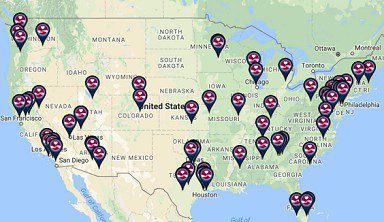
Whether you’re just starting to notice changes or actively exploring care options, having guidance can make the journey feel less overwhelming. Our senior care teams around the country are here to answer your questions about non-medical in-home care, listen to your concerns about Mom and Dad, and help you explore what support could look like for your family. We even help families understand their Long-Term Care insurance (LTCi) policies and VA benefits for veterans with a complimentary, no-obligation benefits review. To find out more, CLICK HERE to find an Amada advisor near you.