




In recent years, researchers and policymakers have been paying closer attention to nutrition among older adults. Experts warn that malnutrition and food insecurity remain significant concerns for seniors, especially those living alone or on fixed incomes.
A recent analysis found that malnutrition is being recognized more often in older Americans, particularly among adults over 85, highlighting the importance of early detection and nutritional support.
At the same time, studies continue to show how strongly nutrition affects brain health and aging. For example, research following adults over age 50 found that participation in nutrition assistance programs such as SNAP (food assistance) was associated with slower cognitive decline, potentially helping older adults maintain cognitive health for several more years.
These findings reinforce what many healthcare providers already know: consistent access to nutritious food can play a major role in supporting healthy aging and independence.
March is National Nutrition Month, a time to focus on how healthy eating supports well-being at every stage of life. For older adults, nutrition becomes especially important. After age 65, the body goes through natural changes that can affect appetite, digestion, metabolism, and overall nutritional needs.
While these changes are normal, they can make it harder for seniors to maintain a balanced diet without a little extra support. Families are often surprised to learn how much daily nutrition affects energy levels, immune function, mobility, and chronic condition management in older adults and seniors.
Understanding these changes and how the right support can help can make a meaningful difference in a senior’s quality of life.
How Nutritional Needs Change After Age 65
As we age, the body processes food differently. Some of the most common changes include:
1. Slower Metabolism
Older adults typically burn fewer calories because muscle mass decreases with age. While calorie needs drop, the body still requires the same, or sometimes higher, levels of essential nutrients, making nutrient-dense foods more important than ever.
2. Changes in Appetite
Many seniors experience a reduced appetite due to medications, changes in taste or smell, dental issues, or certain health conditions. This can lead to skipping meals or eating smaller portions, increasing the risk of nutrient deficiencies.
3. Digestive Changes
Aging can slow digestion and affect how the body absorbs certain vitamins and minerals. Nutrients like Vitamin B12, calcium, and Vitamin D are especially important for maintaining bone health and energy levels.
4. Hydration Challenges
Older adults often feel less thirsty than younger individuals, which can increase the risk of dehydration. Staying properly hydrated supports brain function, circulation, and digestion.
Senior Nutrition and Chronic Conditions
Many older adults manage chronic conditions such as diabetes, heart disease, high blood pressure, or arthritis. Nutrition plays a major role in helping manage these conditions.
For example:
- Heart-healthy diets can help manage blood pressure and cholesterol.
- Balanced carbohydrate intake supports blood sugar control for individuals with diabetes.
- Anti-inflammatory foods may help support joint health.
Maintaining these dietary habits consistently can be challenging without support, especially for seniors who live alone or have mobility limitations.
Common Barriers to Healthy Eating for Seniors
Even when older adults understand the importance of good nutrition, several obstacles can get in the way:
- Difficulty grocery shopping
- Limited mobility or fatigue when cooking
- Forgetting meals or medications
- Special dietary restrictions for medical conditions
- Loneliness or lack of motivation to prepare meals
These challenges can lead to skipped meals, reliance on processed foods, or poor dietary balance.
How Caregivers Support Healthy Nutrition
This is where trained caregivers can make a meaningful difference.
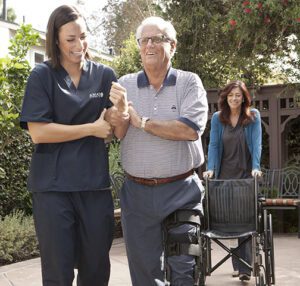
At a non-medical home care company like Amada Senior Care, caregivers provide practical, day-to-day support that helps seniors maintain healthier routines, including nutrition.
Caregiver support may include:
Meal Planning and Preparation
Caregivers can help prepare balanced meals that align with dietary needs and personal preferences, making healthy eating easier and more enjoyable.
Grocery Shopping Assistance
Ensuring the home is stocked with fresh, nutritious foods helps seniors avoid relying on less healthy convenience options.
Encouraging Regular Meals and Provide Companionship During Meals
Caregivers can help establish consistent meal routines so seniors don’t unintentionally skip meals.
Hydration Reminders
Something as simple as regular reminders to drink water can help prevent dehydration.
Support for Chronic Condition Management
For seniors managing conditions like diabetes or heart disease, caregivers can help support dietary routines recommended by healthcare providers.
Nutrition Is Part of Overall Well-Being for Older Adults and Seniors
Nutrition affects far more than weight. For older adults, proper nourishment supports:
- Energy levels
- Immune function
- Cognitive health
- Muscle strength and mobility
- Recovery from illness or surgery
Having the right support at home can make it much easier for seniors to maintain these healthy habits.
Supporting Seniors During National Nutrition Month
National Nutrition Month is a great opportunity for families to check in on the nutritional habits of the older adults in their lives.
Simple steps, like improving meal routines, increasing hydration, and ensuring access to healthy foods, can have a meaningful impact on overall health and independence.
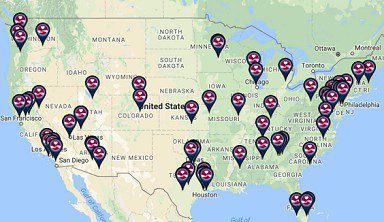
For many seniors, the extra support of a trained caregiver can help turn these healthy intentions into daily habits, making nutrition an achievable and sustainable part of aging well. CLICK HERE to find your local Amada Senior Care office and request a complimentary care needs assessment from a senior care advisor to learn how an in-home caregiver can help support a loved one diagnosed with dementia.
Helpful Nutrition Resources for Seniors and Families
Families who are supporting an older loved one often don’t realize that there are many national and local programs designed specifically to help seniors maintain good nutrition.
1. Nutrition.gov – Older Adult Nutrition
The federal Nutrition.gov website offers guidance specifically for adults age 65 and older, including tips for healthy eating, managing appetite changes, and understanding nutrient needs.
It also includes meal planning ideas, food safety guidance, and tools to help olderadults maintain balanced diets.
2. National Institute on Aging
The National Institute on Aging provides practical advice on healthy eating for seniors, including how to choose nutrient-dense foods, shop on a budget, and understand key vitamins and minerals needed for healthy aging.
Their resources can help families recognize common nutrition challenges and make small improvements to daily meals.
3. Senior Nutrition Programs (Older Americans Act)
Across the U.S., programs funded through the Older Americans Act provide meals and nutrition services for millions of seniors each year. These programs include community meal sites and home-delivered meal services designed to support health, independence, and social connection.
Many families are familiar with programs like Meals on Wheels, which deliver nutritious meals to homebound older adults while also providing important safety check-ins.
4. Local Area Agencies on Aging
Local Area Agencies on Aging (AAA) help connect seniors and caregivers with services such as meal programs, caregiver support, transportation, and health resources. In California alone, dozens of agencies serve millions of older adults and can help families find nutrition assistance and community programs, like Grants for Seniors.