




When a senior loved one returns home from the hospital, family members breathe a sigh of relief. But the days and weeks that follow are critical. One of the most common reasons seniors end up back in the hospital is medication-related problems—missed doses, incorrect timing, duplicate prescriptions, or confusion about new instructions.
As a non-medical senior care agency, Amada Senior Care does not prescribe medications. What we do provide is consistent, compassionate support that helps seniors follow their discharge plans safely at home. For families and referral partners like case managers and dispatch planners, that added layer of day-to-day oversight can make a meaningful difference in reducing preventable readmissions.
What many seniors and their families may not realize is that medication issues are a common driver of readmissions among seniors—accounting for a meaningful share of returns to the hospital. A substantial portion of these readmissions could be prevented with better medication management, education, discharge planning, and follow-up.
How Often Seniors Are Readmitted Due to Medication Issues
A notable portion of readmissions are medication-related. Studies suggest that roughly 20% of hospital readmissions within 30 days for older adults may be related to medications, and many of these events could be preventable.
In a systematic review, researchers found that around 9% of older adults discharged from hospitals experienced a drug-related readmission—and among those, approximately 15–22% were considered preventable.
Other research has found that about 16% of unplanned readmissions were directly linked to medication issues, with a large portion potentially preventable.
What This Means for Seniors and Their Families in Practical Terms
- Medication changes during and after a hospital stay make seniors especially vulnerable to confusion, errors, or unintended reactions.
- Polypharmacy (taking multiple medications) and comorbid conditions increase the likelihood of medication-related readmissions.
- Many of these hospital returns are not unavoidable—they often result from gaps in communication, understanding, and post-discharge support.
Why Senior Medication Management Matters After a Hospital Stay
It’s common for medications to change during a hospitalization. A senior may:
- Be prescribed new medications
- Have dosages adjusted
- Be told to stop taking certain medications
- Receive different instructions than before
For many seniors and older adults—especially those managing multiple chronic conditions—this can quickly become overwhelming. Confusion can lead to skipped doses, accidental double-dosing, or stopping a medication too soon. Even small mistakes can have serious consequences.
Here are practical medication management tips—and how non-medical home care can help:
1. Review the Discharge Instructions Carefully
Before leaving the hospital or rehab facility, families should:
- Ask for a clear, written list of current medications
- Confirm which medications have been discontinued
- Clarify dosage, timing, and special instructions (with food, at bedtime, etc.)
- Schedule any recommended follow-up appointments
How Non-Medical Home Care Helps Following a Senior Hospital Discharge
A family caregiver or a professional, non-medical caregiver can support seniors by maintaining a current medication log and ensuring the list is available for doctor’s appointments or home health visits. For referral partners, this added organization helps improve continuity of care.
2. Keep an Up-to-Date Medication List
An accurate medication list should include:
- Name of the medication
- Dosage
- Frequency
- Purpose
- Prescribing physician
This list should be shared with primary care providers, specialists, and anyone involved in care.
How a Trained Amada Caregiver Can Help
Caregivers can support seniors by maintaining a current medication log and ensuring the list is available for doctor’s appointments or home health visits. For referral partners, this added organization helps improve continuity of care.
3. Use a Pill Organizer or Medication Reminder System
Weekly pill organizers can significantly reduce confusion, especially for seniors taking multiple medications.
Other helpful tools include:
- Medication reminder apps
- Alarm clocks or phone alerts
- Written schedules posted in visible areas
Our Non-Medical Role at Amada Senior Care
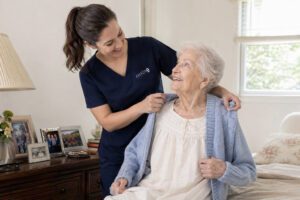
While our trained in-home caregivers do not administer medications, they can provide medication reminders, assist with organizing pill boxes (as permitted by state regulations), and observe for missed doses. Consistent reminders create structure and accountability for senior clients, family members, and healthcare professionals.
4. Watch for Side Effects or Changes in Condition
Medication-related issues often show up as:
- Dizziness or falls
- Increased confusion
- Swelling
- Nausea
- Changes in blood pressure or blood sugar
- Excessive sleepiness
Early recognition is key.
The Role of a Trained Caregiver in Positive Senior Health Outcomes
Because caregivers are present regularly, they are often the first to notice subtle changes. We document observations and promptly communicate concerns to families or designated healthcare providers. That early communication can prevent small issues from becoming emergencies.
5. Support Proper Nutrition and Hydration
Some medications must be taken with food. Others can cause dehydration or appetite changes. Poor nutrition can impact how medications work.
Trained caregivers assist with:
- Meal preparation aligned with dietary recommendations
- Encouraging proper hydration
- Grocery shopping for heart-healthy or diabetic-friendly options
- Monitoring appetite changes
Good nutrition supports medication effectiveness and overall recovery.
6. Coordinate Care and Encourage Follow-Up Appointments
Missed follow-up appointments are another common contributor to readmissions. Post-hospital visits allow physicians to:
- Adjust medications
- Monitor recovery
- Address new symptoms
At Amada Senior Care, we help by:
- Providing transportation to appointments
- Offering appointment reminders
- Ensuring discharge instructions are brought to the visit
- Communicating updates to family members and care teams
For case managers and referral partners, this support can strengthen discharge plans and improve compliance.
7. Reduce Fall Risks at Home
Some medications increase fall risk due to dizziness or blood pressure changes.
A safe home environment includes:
- Clear walkways
- Adequate lighting
- Grab bars in bathrooms
- Removing loose rugs
Amada Senior Care caregivers can:
- Assist with mobility
- Provide standby support during transfers
- Identify environmental hazards
- Report safety concerns to families
Preventing a fall often means preventing another hospitalization.
The Role of Non-Medical Home Care in Preventing Readmissions
As a non-medical care provider, our role at Amada Senior Care is essential in bridging the gap between hospital and home.
We provide:
- Medication reminders
- Routine and structure
- Observation and reporting of changes
- Assistance with daily activities
- Nutritional support
- Transportation and appointment coordination
- Companionship and emotional reassurance
For seniors, this means greater confidence and independence at home. For families, it means peace of mind. For case managers and our healthcare partners, it means an extra layer of oversight that supports compliance and continuity of care.
A Holistic Team Approach Makes the Difference in Quality Senior Care
Preventing hospital readmissions is a shared effort. Physicians, nurses, therapists, families, and non-medical home care providers each play an important role.
If you are a senior preparing to return home, a family member coordinating care, or a referral partner developing a discharge plan, consider how consistent non-medical support can reinforce medication routines and reduce risk.
Sometimes it’s not just about the prescription—it’s about having someone there to help make sure it’s followed safely and consistently.
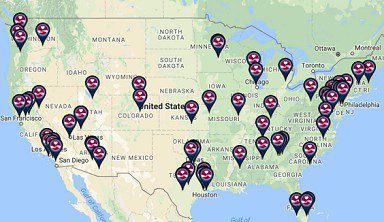
If you’d like to learn more about how non-medical home care can support medication management and recovery at home for a senior loved one or a senior patient, our professional care teams at Amada Senior Care are here to help. CLICK HERE to find your local Amada Senior Care office and request a complimentary care needs assessment from a senior care advisor.