




When a senior loved one begins to need extra support at home, families are often introduced to two similar-sounding terms: home care and home health. While both services help seniors remain safe and healthy at home, they serve very different purposes. Understanding the difference between senior home care versus home health for seniors can help families make informed decisions and ensure their elderly loved one receives the right kind of support at the right time.
Why the Confusion Between Home Care and Home Health?
Home care and home health both take place in the senior’s home, often involve caregivers, and may be recommended during the same season of life, such as after a hospitalization or as someone ages. Because of this overlap, many families assume they are interchangeable. In reality, they differ in scope, staffing, duration, and how they are paid for – oftentimes through a long-term care insurance policy or private pay.
What Is In-Home Care for Seniors?
Home care focuses on non-medical support that helps seniors with daily living so they can maintain independence and quality of life at home.
Common Home Care Services Include:
- Help with activities of daily living (ADLs), such as bathing, dressing, grooming, and toileting
- Meal planning and preparation
- Light housekeeping and laundry
- Transportation to appointments or errands
- Medication reminders (not administration)
- Companionship and social engagement
- Respite care for family caregivers
- Specialized support for conditions such as dementia or Parkinson’s
Home care is often long-term or ongoing, adapting as needs change over time. Services can range from a few hours a week to 24/7 care, depending on the senior’s situation.
Who Provides In-Home Care for Seniors and Adults in Need?
Home care is typically provided by trained caregivers or certified nursing assistants (CNAs) under the supervision of a care manager. These professionals focus on safety, comfort, and emotional well-being rather than medical treatment.
How Is In-Home Personal Care Paid For?
Home care is usually considered private pay, although some long-term care insurance policies, veterans’ benefits, or other programs may help cover costs. Medicare generally does not pay for non-medical home care.
What Is Home Health and How Does It Differ from In-Home Care?
Home health care is medical care provided in the home, prescribed by a physician and intended to treat a specific health condition.
Common Home Health Services Include:
- Skilled nursing care (wound care, injections, monitoring vital signs)
- Physical, occupational, or speech therapy
- Medical social services
- Assistance with medical equipment or supplies
- Short-term aide support related to medical care
Home health is usually short-term and goal-oriented, such as helping someone recover after surgery, manage a new diagnosis, or regain strength after a hospital stay.
Who Provides Home Health?
Home health services are delivered by licensed medical professionals, such as registered nurses, physical therapists, occupational therapists, or speech-language pathologists.
How Is Home Health Paid For?
Home health services are often covered by Medicare, Medicaid, or private insurance, as long as eligibility requirements are met and the care is deemed medically necessary.
Key Differences Between In-Home Care Services and Home Health
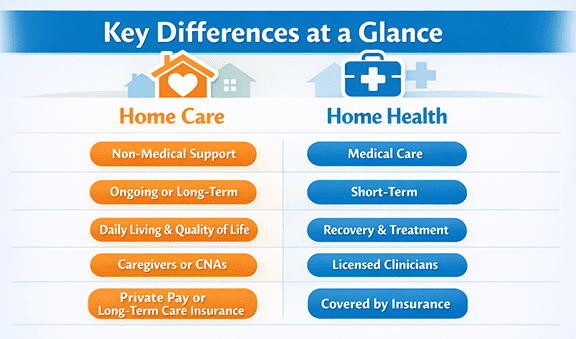
In-home care services involve non-medical support for ongoing personal care needs or long-term care to manage chronic conditions. It is provided by trained caregivers or CNAs and is focused on activities of daily living and quality of life.
Home health services involve medical care that is short-term and focuses on recovery or treatment. It is provided by RNs or other licensed clinicians.
Can Someone Receive Both In-Home Personal Care and Home Health Services?
Yes, and this is more common than many families realize.
For example, after a hospitalization, a senior may qualify for home health services for a few weeks while also benefiting from home care for help with bathing, meals, and supervision. Once home health ends, home care can continue to provide ongoing support.
The two services often work best together, addressing both medical needs and day-to-day living challenges.
Which One Is Right for Your Situation: Home Care or Home Health?
Ask yourself and have a conversation with family using these guiding questions:
- Is there a medical condition that requires skilled nursing or therapy? Home health may be appropriate.
- Is your loved one struggling with daily activities, safety, or isolation? Home care may be the better fit.
- Are you, as a family caregiver, feeling overwhelmed or stretched thin? Home care can provide relief and support.
How Amada Senior Care Guides Seniors and Families
If you are still unsure about whether in-home care or home health is right for you or a senior loved one, a professional care needs assessment from a senior care advisor at Amada Senior Care can help clarify needs and recommend the right mix of services.
Home care and home health are both valuable resources, but they are designed to meet different needs. Understanding the distinction empowers families to advocate for appropriate care, avoid gaps in support, and plan more confidently for the future.
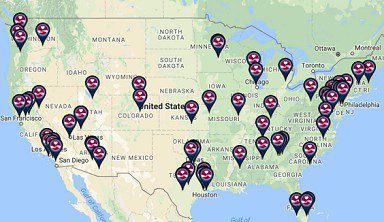
Whether the goal is recovery, independence, or peace of mind, the right support at home can make all the difference. CLICK HERE to find your local Amada Senior Care office.