




Winter can be a beautiful season—quiet frosty mornings, soft snowfall, chilly nights, and the comfort of warm blankets and familiar routines. But for many seniors living at home, winter also brings unique challenges that can affect health, mobility, and safety. Cold weather, icy walkways, and shorter daylight hours can make everyday activities feel more difficult, and even small oversights can lead to larger risks.
That’s why winter safety for seniors isn’t about fear. It’s about preparation. With a little planning, awareness, and support, older adults can enjoy the season while staying safe and confident at home.
Understanding the Hidden Risks of Winter to Seniors
Falls are already a leading health threat for older adults throughout the year, but they become even more dangerous in winter. According to the U.S. Centers for Disease Control and Prevention (CDC), one in four adults aged 65 and older falls each year, resulting in approximately 3 million emergency room visits and more than 800,000 hospitalizations. Ice and snow only heighten that risk, turning simple outdoor trips into potentially serious events.
Cold weather affects seniors differently than younger adults. Age-related changes in circulation, metabolism, and balance can make older adults more vulnerable to the effects of low temperatures and icy conditions. Even indoor environments can pose risks if heating systems fail, medications affect body temperature regulation, or hydration drops during the winter months.
For seniors recovering from illness, surgery, or mobility issues, these challenges can multiply. And for those living alone, winter storms and power outages may create isolation or delays in getting help.
Recognizing how winter affects the body and home environment is the first step in staying safe and comfortable.
The Importance of a Warm, Well-Maintained Home for Senior Safety
One of the most essential aspects of winter safety is maintaining a warm, energy-efficient home. As temperatures drop, the risk of hypothermia increases—even indoors.
Hypothermia is a condition where the body loses heat faster than it can produce it. Older adults are uniquely vulnerable because aging reduces the body’s ability to regulate internal temperature, and symptoms can be subtle—confusion, slowed speech, or lethargy can easily be mistaken for other conditions.
Many seniors try to keep utility costs low by turning down the heat, not realizing that prolonged exposure to cold air can be dangerous.
Ensuring that the home is well-heated, windows are sealed, and heating systems are functioning properly can make a significant difference. Families often find it helpful to schedule furnace inspections before winter begins and to keep easy-to-read thermostats in frequently used rooms. Layered clothing, warm socks, and cozy blankets also help maintain comfort without relying solely on the thermostat.
Senior Tips for Navigating the Outdoors Safely
Most seniors don’t avoid going outside altogether, even during cold months. Doctor visits, grocery shopping, and daily walks continue to be part of life. But snow and ice can turn familiar pathways into hazards. A single patch of ice on a front step or driveway can lead to serious injuries.
Seniors benefit from planning around weather forecasts, using supportive footwear with good traction, and relying on cleared walkways whenever possible. Families or caregivers can help by shoveling, salting entrances, or arranging for snow-removal services. Taking time to move slowly, use handrails, and stay aware of surroundings goes a long way in preventing winter falls.
How Seniors Stay Connected During the Coldest Months
Winter can introduce a different kind of risk: isolation. Shorter days, unsafe driving conditions, and colder temperatures can make it harder for seniors to see family, socialize, or participate in community activities. For some, this can lead to loneliness or a decline in mental well-being.
Maintaining communication is essential. Regular phone calls, virtual visits, or planned check-ins help seniors feel supported and ensure that someone is available if help is needed. Some families set up daily “safety calls,” while others use caregiving apps or in-home care services to ensure consistent support.
Supporting Senior Health and Wellness Through the Season
Winter can also affect physical health in ways that are easy to overlook. Hydration levels tend to drop when it’s cold, and nutritional needs may change. Seniors who have chronic conditions—such as heart disease, arthritis, or respiratory issues—may find that symptoms worsen during colder months.
Keeping a consistent medication routine, staying hydrated, and eating warm, nutrient-rich meals can help maintain strength and immune function. Small daily habits, such as stretching, light movement at home, or indoor exercise programs, can also reduce stiffness and support mobility during the winter.
Planning for Winter Emergencies Before They Happen
Winter storms and power outages can disrupt even the most prepared households. Having a plan in place—complete with flashlights, extra blankets, charged phones, non-perishable foods, and medical essentials—ensures that seniors can remain safe and calm during unexpected events.
Families may also want to check that heating systems have backup options and that seniors know how to contact neighbors, family members, or emergency services if something goes wrong. When home care or care management services are involved, these providers often help families build personalized winter safety plans that consider the senior’s health, mobility, and environment.
Turning Winter Safety for Seniors Awareness Into Action
Being aware of these winter risks is important, but what matters most is turning that awareness into a safer environment and lifestyle:
- Plan ahead for slippery conditions: Many falls happen near the home’s entrance or on walkways that go unmaintained during winter storms. Even brief patches of ice can be treacherous.
- Maintain warmth inside the home: Keeping indoor temperatures comfortably warm (at least in the mid-60s or higher) helps prevent cold-related health issues and supports overall comfort.
- Dress for the weather: Layering clothing, wearing non-slip footwear, and using protective outerwear can make outdoor trips much safer.
- Stay socially connected: Regular check-ins from family, friends, or caregivers add both companionship and a safety net if problems arise.
- Keep up with preventive healthcare: Seasonal vaccines, regular medication management, and proactive discussions with healthcare providers help mitigate seasonal health challenges.
Stay Safe, Warm, and Well This Winter Season and All Year with At-Home Support
Winter doesn’t have to be a season of worry. With preparation, awareness, and the right support system, seniors can continue to enjoy the beauty and routines of their homes even as temperatures drop.
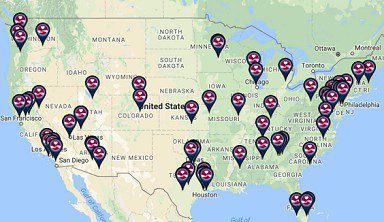
At Amada Senior Care, we help seniors stay safe and independent year-round. Whether it’s assistance with daily activities, mobility support, or simply having someone check in regularly, our caregivers provide peace of mind for families and comfort for the seniors they love.
If you or your loved one could use extra support this winter, we’re here to help create a safer, more comfortable season at home. CLICK HERE to find your local Amada Senior Care office.