



The holidays give us the gift of time — time to reconnect, catch up, and share moments with the people who matter most. For many families, Thanksgiving is one of the rare occasions all year where you get an unhurried look at how your aging parents or senior loved ones are doing at home. What you see — or what you sense — during this visit can be a powerful prompt to consider whether everything is truly okay.
If you’re back home now with a few extra questions in your heart or mind, that’s normal. Many families use the days and weeks after the holiday to reflect on what they observed — and take next steps when needed.
Here’s a more personal post-Thanksgiving checklist — plus a few recent facts — to help you think through what you saw, heard, or felt. If more than a few items give you pause, it may be time to consider seeking in-home care for an aging loved one who may need additional help with activities of daily living or other support to maintain their health and safety.
1. Did Your Elder Loved One’s Appearance or Hygiene Feel Off?
Sometimes, the smallest details speak volumes.
- Did their clothes seem worn, dirty, or mismatched for the weather?
- Was their hair unbrushed or did they skip grooming like usual?
- Did they seem unbathed — maybe a faint odor lingering, or did clothes look like they hadn’t been changed in days?
When personal care starts slipping, it can mean many things: maybe bathing is scary (fear of falling), maybe they’re feeling overwhelmed, or maybe mobility is getting harder. Sometimes it’s just a sign they could use a hand.
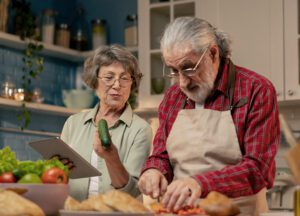
2. Eating, Cooking, and Nutrition: How’s That Going Day by Day?
Meals around Thanksgiving are often festive and plentiful — but what about “normal” days?
- Did they seem less interested in food, eat more slowly, or avoid certain dishes?
- Was using utensils or cutting food harder than before?
- Peek in the fridge or pantry later: are there lots of processed meals, takeout wrappers, or expired items?
Good nutrition tends to slip first when someone struggles to shop, cook, or even remember to eat.
3. Memory, Mood, and Mental Clarity — Any Red Flags in Your Senior Loved One?
Everyone misplaces car keys from time to time. But some patterns are harder to ignore.
- Were they asking the same questions more than once?
- Did they forget names of familiar people or get visibly lost in conversation?
- Did they seem confused about what day it was — or talk about appointments or bills they forgot?
Also pay attention to emotional cues: sadness, withdrawal, irritability, or just a general “off” vibe. Mental and emotional health matter just as much as physical safety.
4. Mobility, Balance, and Safety — Is the Home Environment Senior‑Friendly?
Maybe the first clue was watching them get up slowly, shuffle their feet, or hold onto furniture for support. Or maybe you noticed a bruise that didn’t quite make sense.
Falling isn’t “just part of getting older” — often it can be prevented with small changes: better lighting, removing rugs, installing grab bars, and clear walkways.
5. The State of the Senior’s Home — Clean, Safe, Liveable?
Holiday visits offer a snapshot of the living environment. Did you notice:
- Overflowing trash, unwashed dishes, or piles of laundry?
- Dim lighting, loose rugs, cluttered walkways — anything that could increase fall risks?
- Rooms that were cold or unkempt?
Sometimes a messy home isn’t laziness — it’s a red flag that daily upkeep has become too much.
6. Loneliness, Isolation, and Emotional Well‑Being: Common Senior Crises
It’s easy to miss when someone is “just fine,” even if they’re feeling lonely. But loneliness matters — a lot.
- According to a 2024 poll, about one‑third of adults aged 50 to 80 said they felt lonely some or all of the time in the past year.
- Nearly 28% of seniors aged 65+ live alone — that’s about 16 million people in the U.S. right now.
If your loved one lives alone or seems withdrawn, the risk of isolation — and the toll that can take on health — increases.
7. Senior Medications, Medical Care, and Routines — Are They Managed or Messy?
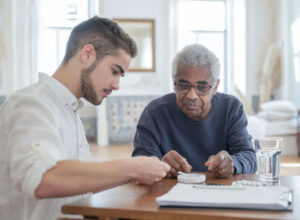
Medication schedules, doctor appointments, follow-ups — it’s a lot to keep track of, even when you’re feeling sharp and healthy. For seniors, even small slips can lead to big problems.
- Missed or double‑dosed medications
- Forgotten doctor appointments
- Confusion over prescriptions or dosages
If you noticed multiple pill bottles scattered around, or they seemed unsure about what meds they were taking — that’s worth noting.
Why Checking on a Senior Loved One’s Environment Matters
- Older adults make up a growing share of the U.S. population. By 2040, those age 65+ are expected to account for roughly 22% of residents.
- More seniors live alone than ever before: currently about 28% live by themselves — almost three times the rate in the mid-20th century,
- Falls remain the leading cause of unintentional injury and death in older adults. Yet many are preventable with awareness, small changes, and support.
- Even when families can’t be there every day, there are ways to help seniors stay safe, supported, and socially connected — whether through community programs, in‑home care, or simple home modifications.
All of this underscores why a post-holiday check-in isn’t just “being nosy” — it’s a caring, smart, and sometimes lifesaving way to protect the well‑being of someone you love.
Next Steps If You See Warning Signs That an Aging Loved One Needs Assistance
If several items from this list resonated with you, take a breath, and think about next steps — not from a place of fear, but love and precaution. Here are some ideas:
- Have a gentle conversation: “I noticed a few things when I was over — how are you feeling about things lately?”
- Consider a home safety review: lighting, rugs, layout, grab bars, and other fall‑prevention changes.
- Explore in-home care or support services: help with cleaning, food prep, medication reminders, mobility assistance, companionship.
- Increase social connection — regular calls, visits, community programs, or even technology to help bridge distance.
- When in doubt, talk to a healthcare provider about memory, balance, falls, or nutrition concerns.
Assessing A Loved One’s Safety and Care Needs: Amada Senior Care is Here to Help
The time after Thanksgiving can be a sweet, reflective moment. Maybe you noticed something that didn’t feel right. Maybe everything was okay — but you’re more aware now.
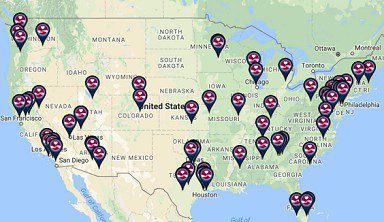
Either way, paying attention matters. Because what you saw might just be the gentle nudge needed to help your loved one stay safe, independent, and connected at home. Amada Senior Care is here to help, offering a complimentary care needs assessment to families who are wondering how to help an aging loved one stay safe and independent, and thrive at home. CLICK HERE to find your local Amada Senior Care office.